Training Shoes vs Running Shoes: What to Buy and Why
2026-03-28👁 32,980
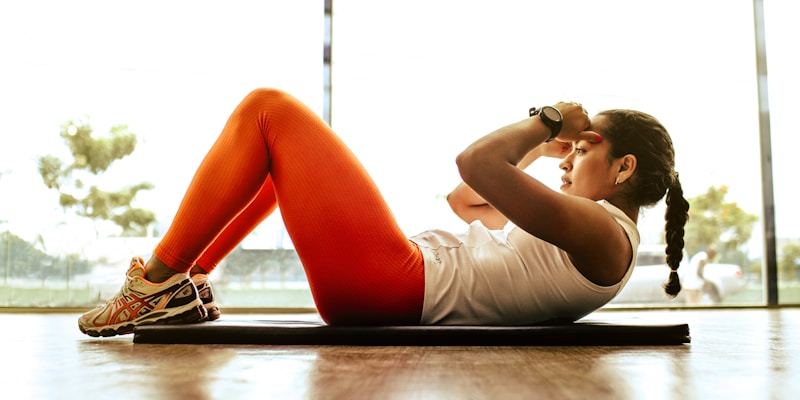
Who this is for: Anyone who mixes gym sessions, classes, or HIIT with occasional runs—and does not want one pair of shoes to do a bad job at everything.
What “running shoes” are optimized for
Running shoes are designed for repetitive forward motion: heel-to-toe roll (or midfoot landing), straight-line cushioning, and breathability over longer durations. Midsoles are often tuned for shock absorption and energy return along that single plane. Outsoles prioritize grip on road or trail in a straight line, not sharp lateral cuts.
What “training shoes” (or cross-training shoes) are optimized for
Training shoes typically emphasize lateral stability, a lower profile for balance, and tougher upper materials for rope climbs, burpees, or multi-directional drills. The outsole may extend slightly up the side for side-to-side support. They are built for variety: short treadmill jogs, weightlifting platforms, agility work—not for stacking high weekly running mileage.
Can you run in training shoes?
Short, easy runs on a treadmill or track are often fine for many people. Regular 5K+ runs several times a week in a stiff, low-cushion trainer can increase impact stress or contribute to discomfort because the shoe is not engineered for that loading pattern. If running is your main activity, a dedicated running shoe still wins for comfort and durability where it counts.
Can you lift or do classes in running shoes?
Light strength work is usually okay. For heavy squats or deadlifts, highly soft, thick running midsoles can feel unstable. For lateral sports or dance-style classes, a narrow, tall running platform may increase rollover risk. A flatter training shoe or dedicated lifting shoe is often safer when precision and side support matter.
Decision framework
- Mostly running: Buy running shoes; keep an older pair for the gym if needed.
- Mostly gym + short runs: A quality cross-trainer plus optional lightweight running shoes for longer days.
- 50/50 split: Two pairs rotate by activity—cheaper than injury downtime or ruined shoes used wrong.
Common mistakes
Using marathon trainers for heavy lateral HIIT until the upper tears. Using minimal court shoes for long road runs. Buying one “lifestyle” sneaker and expecting it to perform like sport-specific footwear.
Key takeaways
Match the shoe to the dominant movement pattern of your week. Running loves forward cushion; training loves stability and toughness. When in doubt, prioritize the activity that carries injury risk if done in the wrong shoe.
FAQ
Are “walking shoes” the same as running shoes? Often softer and heavier; fine for walking, usually not ideal for fast running.
One budget—what do I buy first? Whatever you do most often. Secondary activities can use a simpler or older pair temporarily.
Comments
Disclosure: We may earn a commission when you shop through our links at no extra cost to you. We only recommend products and retailers we believe offer real value.
Clear split between gym and road. Thanks.